
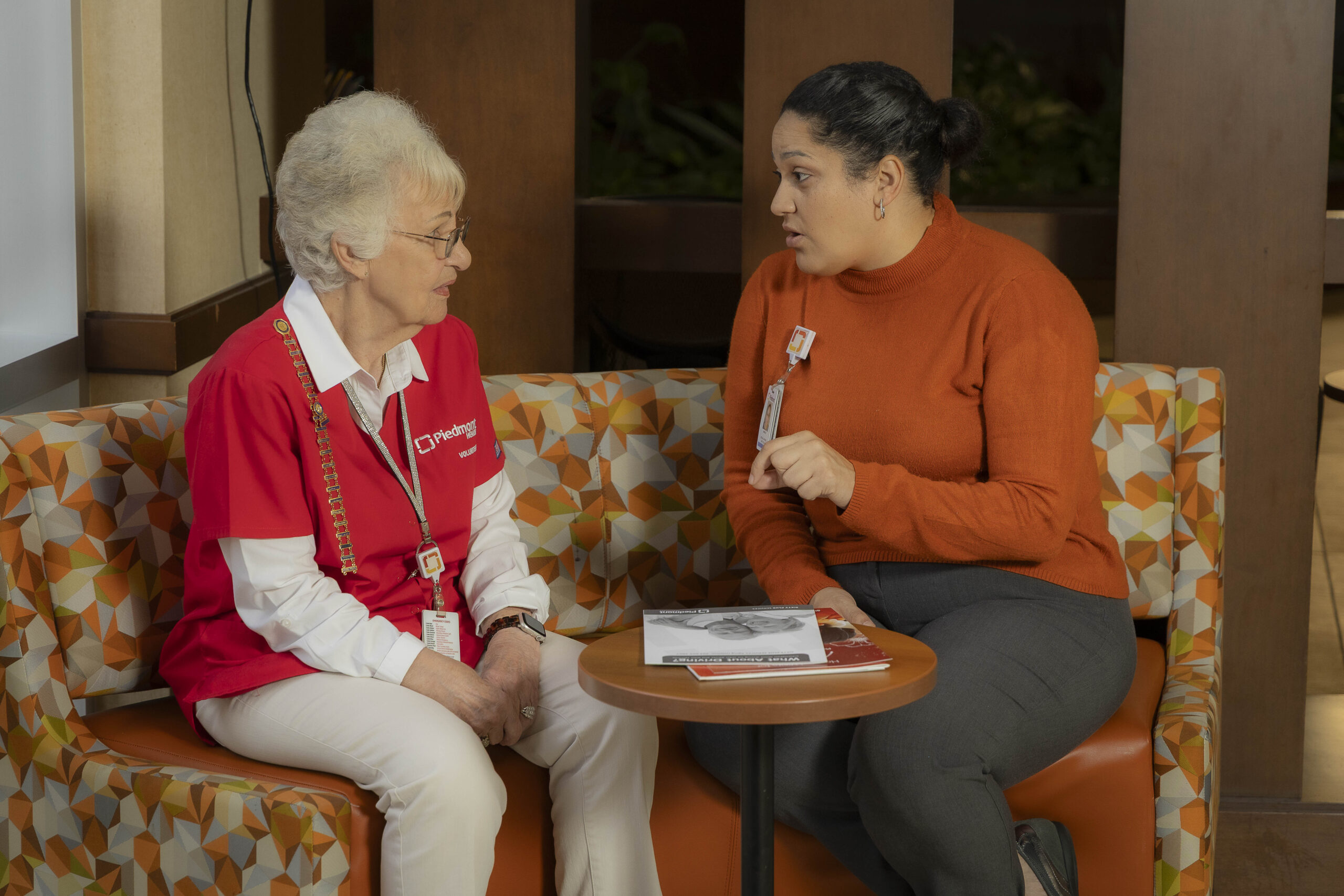

As the holidays draw closer, the calendar pages tend to fill with events, gatherings and visits. It can be a joyous time of year, but it can also be stressful.
“Before the season even starts, you should think about what holiday events or traditions matter to you the most,” said Ashley Woodbridge, a licensed master social worker with Sixty Plus Services at Piedmont Henry Hospital. “You don’t have to do it all. In fact, when you try, you often get exhausted, both physically and mentally. It is perfectly reasonable to set and honor your own boundaries.”
This can be important if you must deal with challenging relationships at these holiday events. Similar to the approach to a potentially crowded calendar, plan ahead. If you know there is a likelihood of an unpleasant conversation or interaction with a family member or friend, practice how you might change the subject.
“If you need support managing stress or relationship issues, ask your primary care provider about a referral to a counselor or therapist who can help you develop strategies to cope,” said Woodbridge. “Therapy can be an excellent form of sustainable self-care.”
As part of her job with Sixty Plus Services, Woodbridge also works with patients with medical conditions like dementia or Alzheimer’s, and their caregivers. This time of year, can be particularly challenging for both parties to navigate.
One way to make the holidays special is to be sure to involve the person with dementia in planning or preparing for the event. Helping to set the table or sorting through tree decorations can spark happy memories from years past. It’s also enjoyable to look through old photographs of holiday celebrations or listen to seasonal music.
Caregivers should feel that it is acceptable to let go of traditions or expectations. If they have been the host of the annual family meal, it’s all right to ask someone else to host or to ask others for help with the cooking and cleaning. Many times, the caregiver wants to try and keep up appearances of normalcy, but during the holidays, they should feel free to ask for relief and support.
Remember though, the holidays can be a joyous season that can provide healthy benefits as well. This is often thought of as a season of gratitude and being thankful can release neurochemicals, like oxytocin and serotonin, and produce a feeling of releasing tension.
“The holiday season can be whatever you choose to make it,” said Woodbridge. “My advice is don’t overschedule yourself, ask for help when needed, and do what you need to do to enjoy your time.”